Vehicle maintenance plans and motor insurance are often confused — especially because both involve protection, claims, and repairs. While they may appear similar on the surface, they serve very different purposes and are designed to address different types of risk and cost.
Understanding the distinction helps vehicle owners make better decisions and avoid unrealistic expectations.
The Purpose of Motor Insurance
Motor insurance exists to protect against financial loss arising from accidents, liability, theft, and major damage. Typically, insurance covers:
- Collision and accident damage
- Third-party liability
- Theft or total loss
- Major bodywork repairs
- Significant mechanical damage following an insured event
Insurance is designed for low-frequency, high-cost events — situations that would be financially difficult or impossible for most drivers to absorb on their own.
Because of this, insurance claims usually involve:
- Excess payments
- Claims assessments
- Potential impact on premiums
- Longer processing times
Insurance is essential, but it is not designed for everyday issues.
The Role of Vehicle Maintenance Plans
Vehicle maintenance plans focus on a completely different category of ownership costs. They are designed to manage:
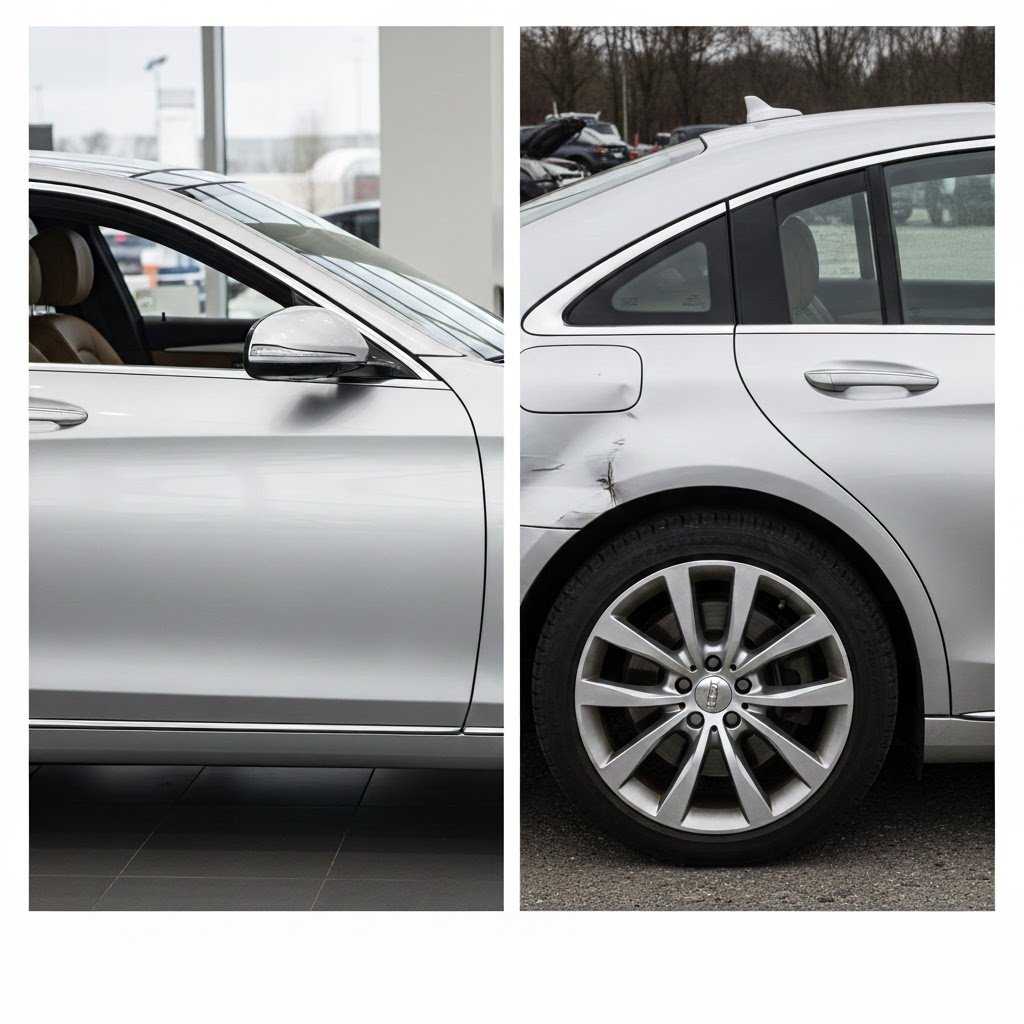
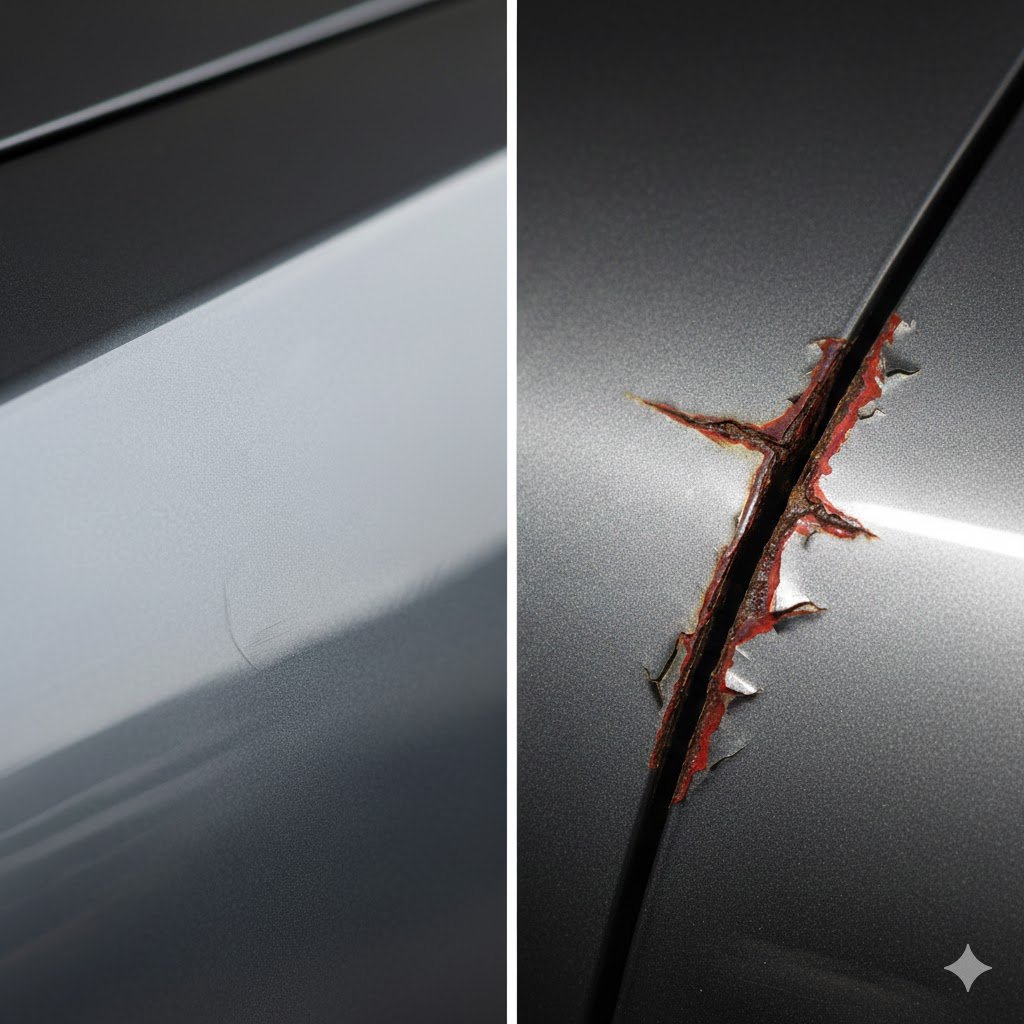
- Minor cosmetic damage
- Interior wear and tear
- Small, repairable issues that occur during normal use
These are the issues drivers encounter most often — but rarely claim through insurance. Examples include:
- Scratches and small dents
- Scuffed wheels
- Worn steering wheels or seats
- Interior trim damage
- Windscreen chips
Individually, these repairs may not seem significant. Collectively, they can become expensive and inconvenient.
Why Insurance Is Rarely Used for Cosmetic Damage
Most drivers avoid using insurance for minor damage because:
- The cost is often below or close to the excess
- Claims can affect future premiums
- The process can be time-consuming
- Cosmetic repairs are not considered urgent
As a result, many cosmetic issues are postponed or ignored — until resale, lease return, or inspection. That delay is often when costs feel most painful.
How Maintenance Plans Complement Insurance
Rather than overlapping with insurance, maintenance plans are designed to sit alongside it.
Insurance handles:
- Serious incidents
- Accidents and liability
- Unexpected major losses
Maintenance plans handle:
- Predictable, everyday cosmetic damage
- Wear that affects appearance and value
- Repairs that are too small for insurance but too frequent to ignore
This separation allows each solution to do what it does best.
Contractual Coverage vs Indemnity
Another important difference lies in how coverage works. Insurance operates on an indemnity basis, meaning it restores the insured after a defined loss event.
Maintenance plans operate on a contractual basis, meaning:
- Covered services are defined upfront
- Limits and frequency are fixed
- Eligibility is assessed against plan terms
- Repairs are authorised and cost-controlled
This structure provides predictability rather than risk transfer.
Which One Do You Actually Need?
In reality, most vehicle owners need both, but for different reasons. Insurance protects you from major, unpredictable events. Maintenance plans help manage:
- Day-to-day ownership costs
- Vehicle appearance
- Interior condition
- Resale or lease return outcomes
They address the gap between “too small for insurance” and “too expensive to ignore.”
Final Thought
Vehicle maintenance plans and insurance are not alternatives — they solve different problems. Insurance protects you from serious financial loss. Maintenance plans help you control the ongoing, everyday costs of keeping a vehicle in good condition. Understanding the difference allows vehicle owners to protect both their budget and their vehicle’s value — without unnecessary overlap or confusion.