Most vehicle owners have faced the same question at some point:
Is this small scratch worth fixing, or should I leave it alone?
Cosmetic damage is rarely urgent, which makes it easy to postpone. However, knowing when to act — and when to wait — can make a significant difference to long-term repair costs and vehicle value.
Not All Scratches Are the Same
Scratches vary widely in severity, and understanding the difference is key.
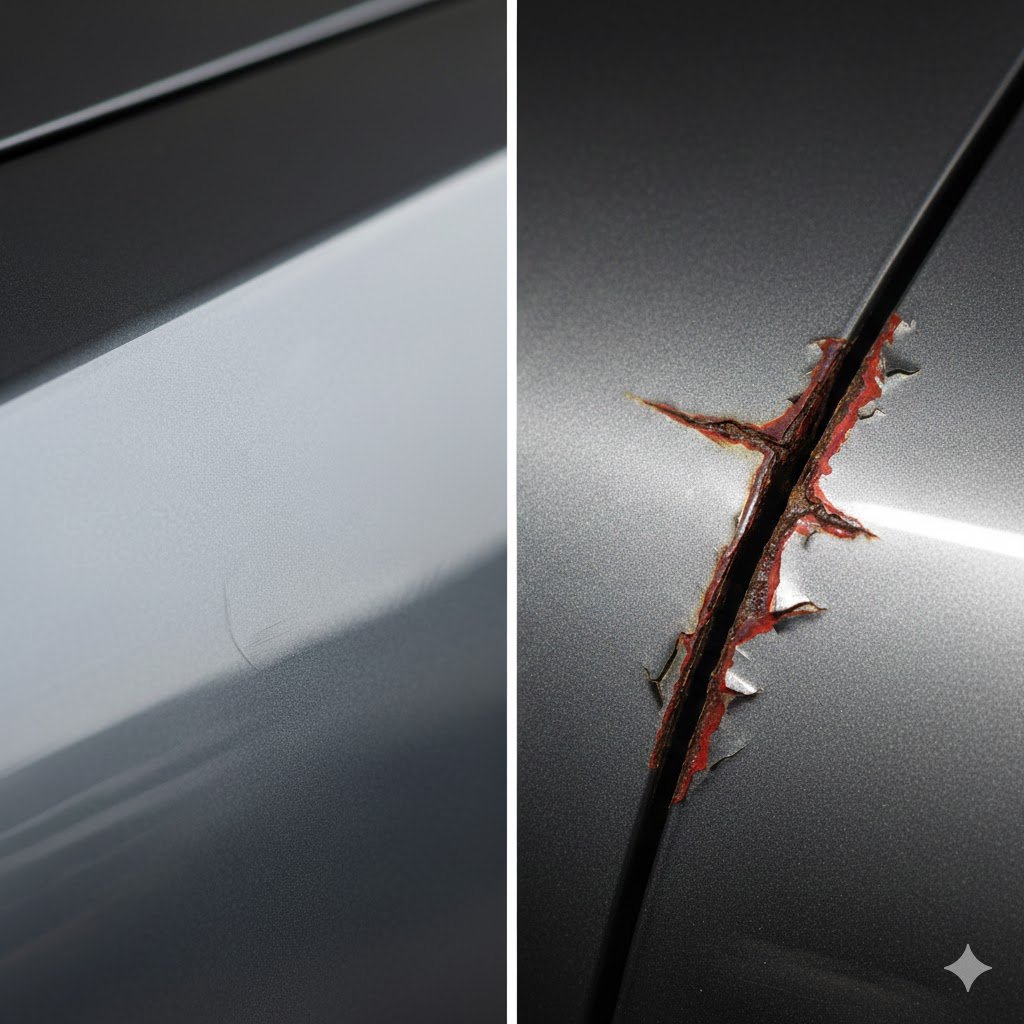
Surface Scratches
These affect only the clear coat or top layer of paint. They are usually light, shallow, and visible only at certain angles.
- Often cosmetic only
- Lower repair cost
- Unlikely to worsen quickly
Deeper Scratches
These cut through the paint layer and may expose primer or metal.
- More visible
- Higher repair cost
- Greater risk of corrosion if left untreated
The deeper the scratch, the more likely it is to develop into a larger repair.
When Small Damage Becomes a Bigger Problem
A minor scratch may seem harmless, but over time it can:
- Trap dirt and moisture
- Spread or widen
- Lead to paint lifting or peeling
- Allow corrosion to develop
Once this happens, what could have been a small cosmetic repair may require:
- Panel repainting
- Blending adjacent panels
- More extensive surface preparation
The cost difference can be significant.
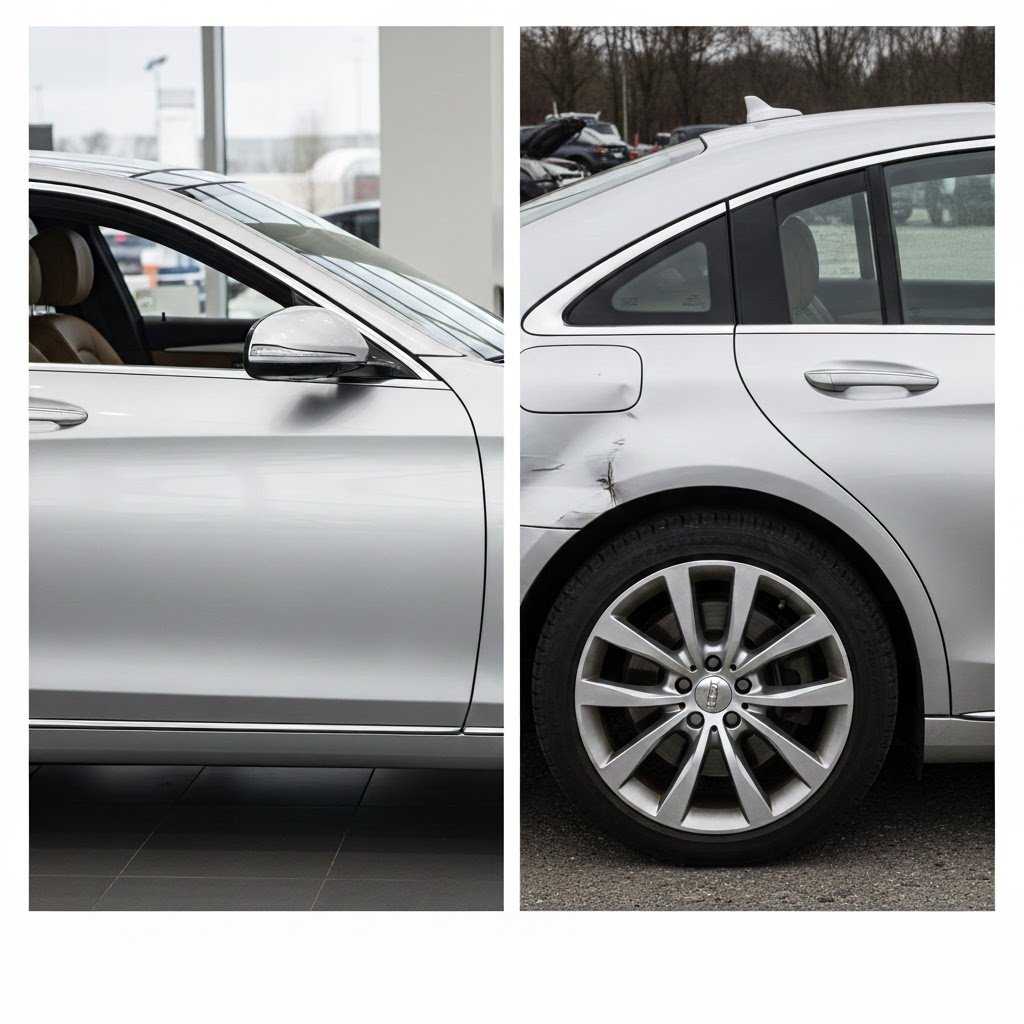
Location Matters More Than Size
Where the scratch is located often matters more than how long it is. High-risk areas include:
- Door edges
- Wheel arches
- Bumpers
- Bonnet edges
These areas are exposed to constant impact from debris, moisture, and friction, increasing the likelihood that minor damage will worsen.
Visibility and Perception
Even shallow scratches can affect how a vehicle is perceived. Buyers and inspectors tend to focus on:
- Panels at eye level
- Large flat surfaces
- Repeated damage in the same area
Multiple small scratches can collectively have a greater impact than a single noticeable mark.
When It’s Smart to Act Early
You should consider repairing a scratch sooner rather than later if:
- The paint layer is breached
- The scratch is in a high-impact area
- Multiple scratches are present
- The vehicle will be sold or returned soon
Early intervention is often cheaper, quicker, and less disruptive.
When It’s Reasonable to Wait
In some cases, delaying repair may be practical. For example:
- Very light surface marks
- Scratches in low-visibility areas
- Cosmetic marks on older vehicles
If the damage is stable and unlikely to worsen, monitoring it may be sufficient.
The Cost of Waiting
Many drivers underestimate how quickly repair costs escalate. What starts as a minor cosmetic issue can become a full repaint or panel repair simply because it was left too long. This often happens at the worst possible time — during inspections or resale.
Final Thought
Small scratches don’t demand immediate action — but they do deserve attention. Knowing which marks can be safely ignored and which ones require early repair helps vehicle owners stay in control of both appearance and costs. In vehicle ownership, timing matters almost as much as the damage itself.