When people think about vehicle value, they usually focus on mileage, engine condition, or service history. While these factors matter, there is one element that consistently has a greater and more immediate impact on resale and trade-in value: cosmetic condition.
Scratches, dents, interior wear, and wheel damage may seem minor, but they are often the first and strongest signals buyers, dealers, and inspectors use to judge how a vehicle has been treated. In many cases, cosmetic damage reduces value long before any mechanical issue does.
First Impressions Matter More Than You Think
Whether a vehicle is being sold privately, traded in, or returned at the end of a lease, the evaluation process almost always starts visually. Before anyone checks:
- Service records
- Mileage
- Diagnostic data
They notice:
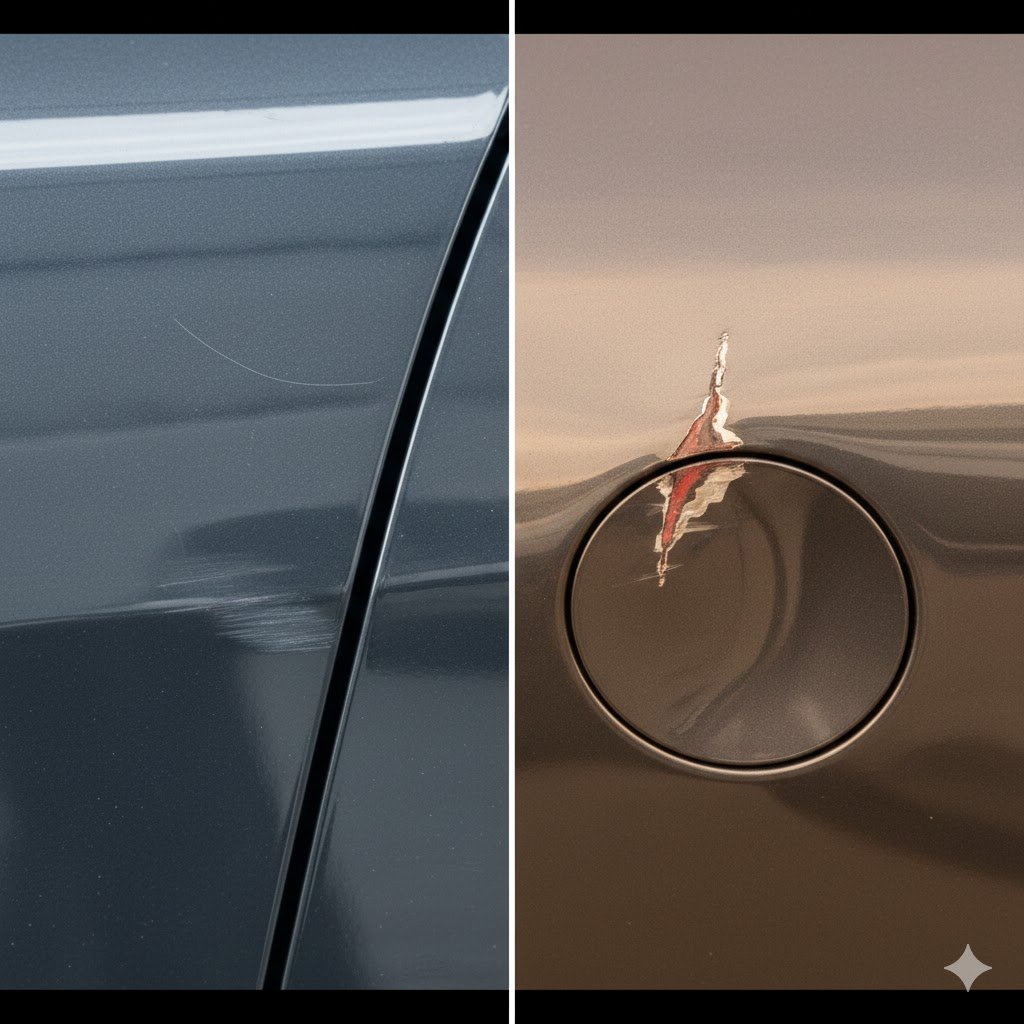
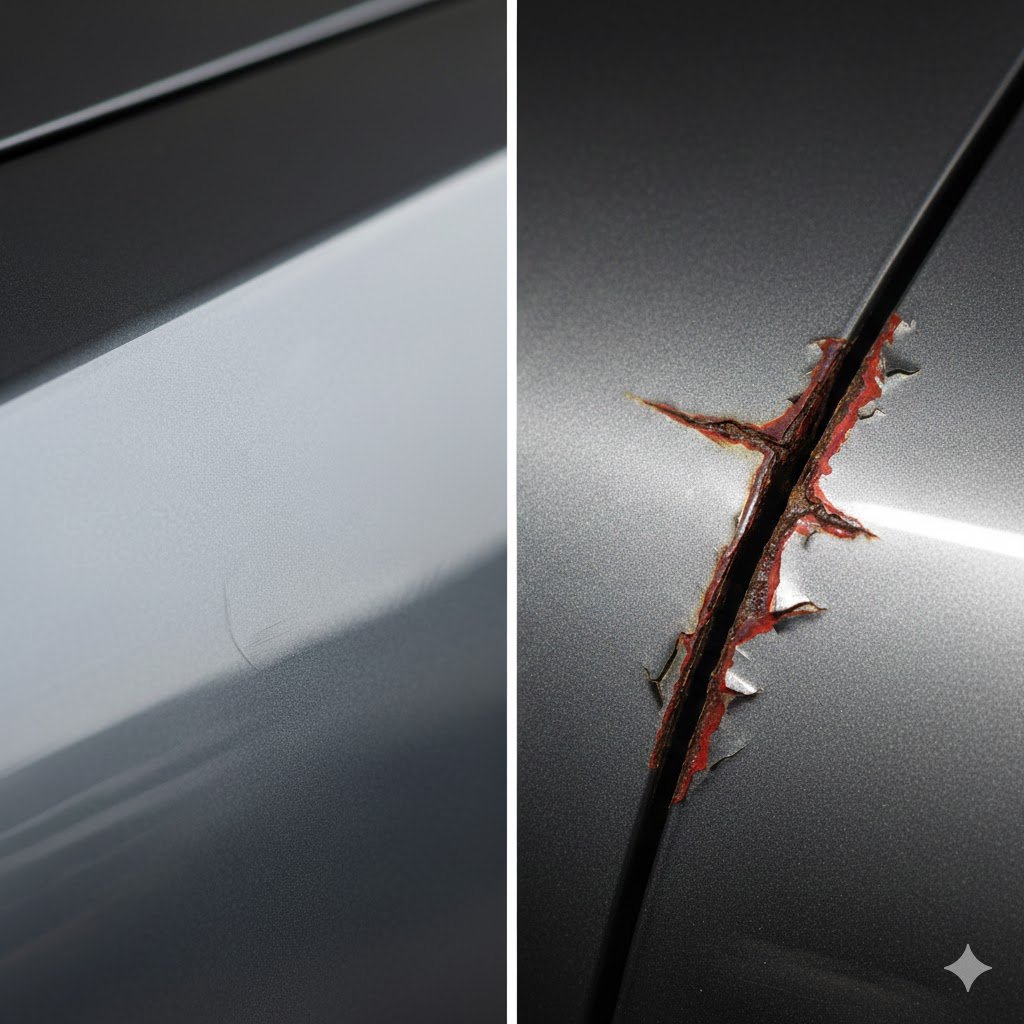
- Scratched paintwork
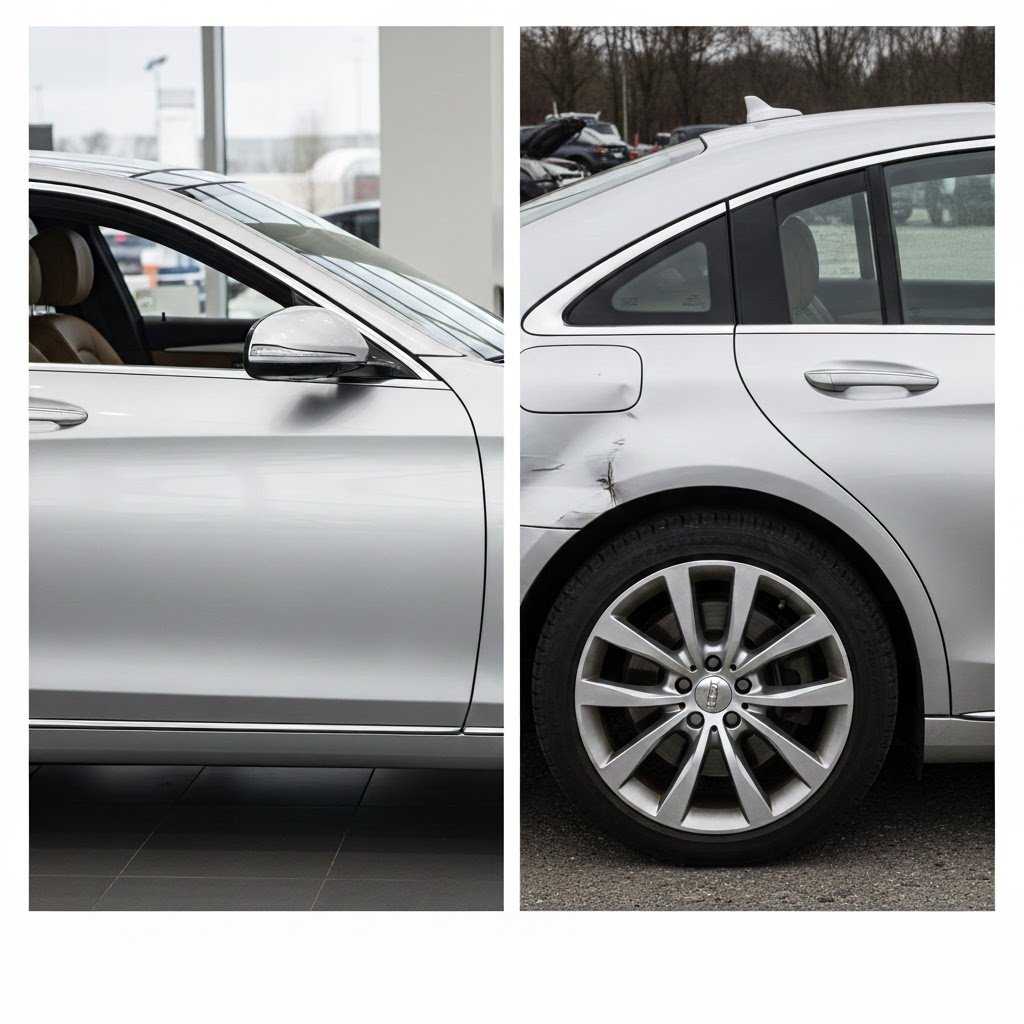
- Dented panels
- Scuffed wheels
- Worn steering wheels or seats
Cosmetic damage creates an immediate perception of neglect, even if the vehicle is mechanically perfect. That perception alone can lower an offer or trigger repair deductions.
Cosmetic Damage Signals Risk to Buyers
From a buyer’s or dealer’s perspective, cosmetic damage raises questions:
- If the exterior is damaged, was the vehicle properly maintained?
- Were small problems ignored until they became bigger ones?
- Could there be hidden issues beneath visible damage?
Even when these assumptions are unfair, they influence pricing. Dealers, in particular, price vehicles conservatively to account for perceived risk. Cosmetic defects make that risk appear higher.
The Cost Multiplier Effect
One of the biggest reasons cosmetic damage impacts value so heavily is the cost multiplier effect. A small scratch or dent that might cost a few hundred euros to repair individually can lead to:
- Panel repainting
- Blending adjacent panels
- Interior reconditioning
- Wheel refurbishment
By the time a vehicle reaches resale or lease return inspection, several minor issues often combine into a significant reconditioning cost. Rather than repairing each issue proactively, many owners postpone repairs — unintentionally allowing costs to compound.
Interior Condition Is Often Overlooked — and Heavily Penalised
Interior wear is one of the most underestimated value killers. Common examples include:
- Worn or shiny steering wheels
- Torn seat fabric or leather
- Scratched centre consoles
- Damaged interior trim
These issues directly affect how “used” a vehicle feels. Even low-mileage vehicles can lose value if the interior shows visible wear. For leasing companies and dealers, interior refurbishment is expensive and time-consuming, which often results in automatic deductions rather than repairs.
Wheels and Windscreens: Small Damage, Big Impact
Alloy wheels and windscreens are inspected closely during evaluations.
- Kerbed or scratched rims suggest poor driving habits
- Windscreen chips raise safety and compliance concerns
Even when damage is cosmetic, it is rarely ignored. These items are easy to spot, quick to penalise, and costly enough to affect final valuations.
Why Mechanical Issues Don’t Always Hurt Value as Much
Ironically, many mechanical issues have less impact on resale value than cosmetic damage. Why?
- Mechanical issues can be diagnosed
- Costs can be estimated accurately
- Repairs are expected as part of ownership
Cosmetic damage, however, is subjective, affects desirability, and changes how a vehicle is perceived. Two vehicles with identical mileage and service history can be valued very differently based solely on cosmetic condition.
Prevention Is More Cost-Effective Than Correction
The most effective way to protect vehicle value is not to wait until the end of ownership. Addressing minor cosmetic issues early:
- Keeps repair costs lower
- Prevents damage from worsening
- Maintains consistent vehicle condition
This is especially important for urban drivers, high-usage vehicles, and lease or finance customers. Structured cosmetic maintenance helps spread costs predictably rather than absorbing them all at once.
Cosmetic Condition Reflects Ownership Care
Ultimately, cosmetic condition tells a story. A well-presented vehicle suggests careful ownership, regular attention, and responsible use. That story directly influences value, buyer confidence, and inspection outcomes.
Final Thought
Cosmetic damage is rarely urgent — but it is always cumulative. While it may not stop a vehicle from driving, it quietly erodes value over time, often becoming most expensive at the moment it matters most. Maintaining a vehicle’s appearance isn’t about perfection. It’s about protecting value, avoiding surprises, and keeping control over ownership costs.
Table of content
- First Impressions Matter More Than You Think
- Cosmetic Damage Signals Risk to Buyers
- The Cost Multiplier Effect
- Interior Condition Is Often Overlooked — and Heavily Penalised
- Wheels and Windscreens: Small Damage, Big Impact
- Why Mechanical Issues Don’t Always Hurt Value as Much
- Prevention Is More Cost-Effective Than Correction
- Cosmetic Condition Reflects Ownership Care
- Final Thought