Almost every vehicle owner has said it at some point:
“I’ll fix it later.”
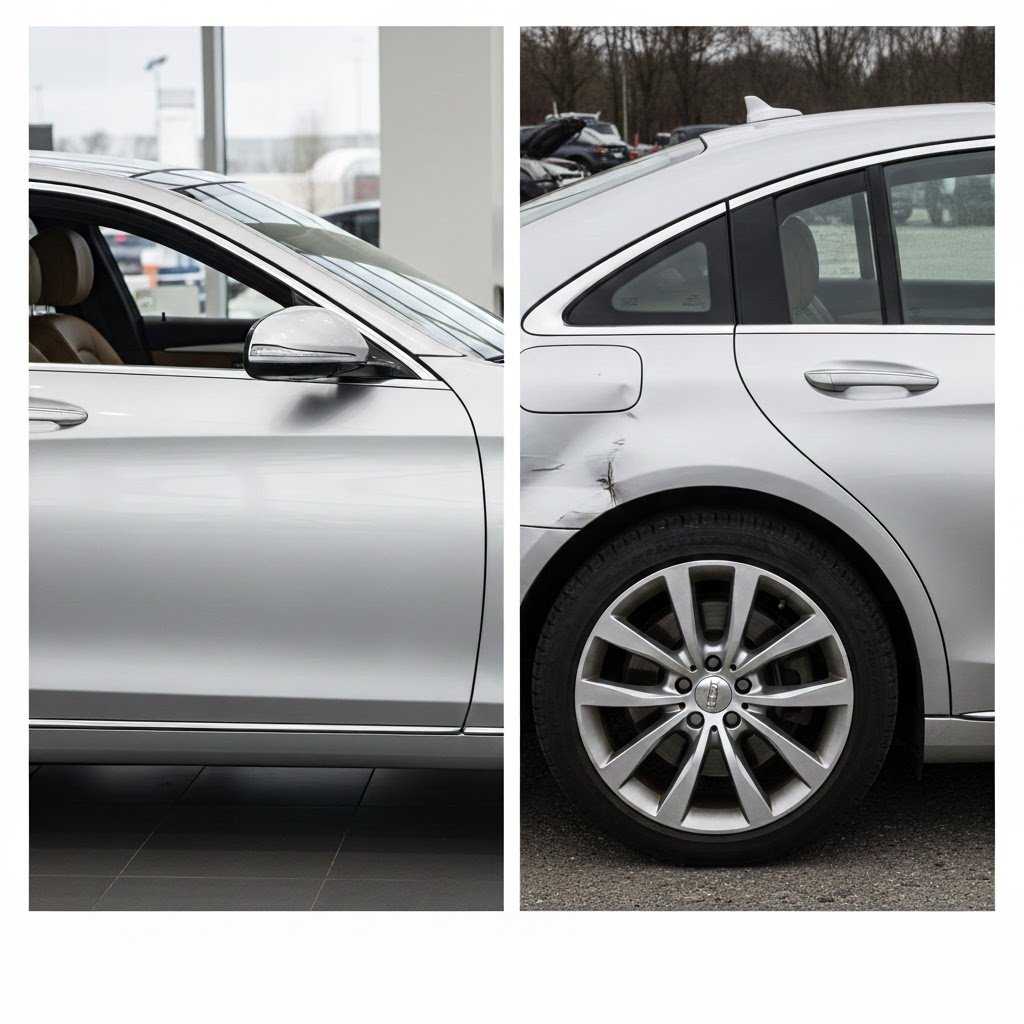
A small scratch, a scuffed wheel, a torn seat — none of these stop a car from driving. Because they don’t feel urgent, cosmetic issues are often postponed indefinitely. Unfortunately, delaying repairs is one of the most common reasons vehicle owners face unexpected costs later on.
Why Cosmetic Damage Gets Ignored
Cosmetic damage rarely affects safety or performance, which makes it easy to deprioritise. Common reasons drivers delay repairs include:
- The damage seems minor
- The cost doesn’t feel justified at the time
- Life gets busy
- The issue doesn’t worsen immediately
While understandable, this mindset often leads to higher costs down the line.
Small Damage Rarely Stays Small
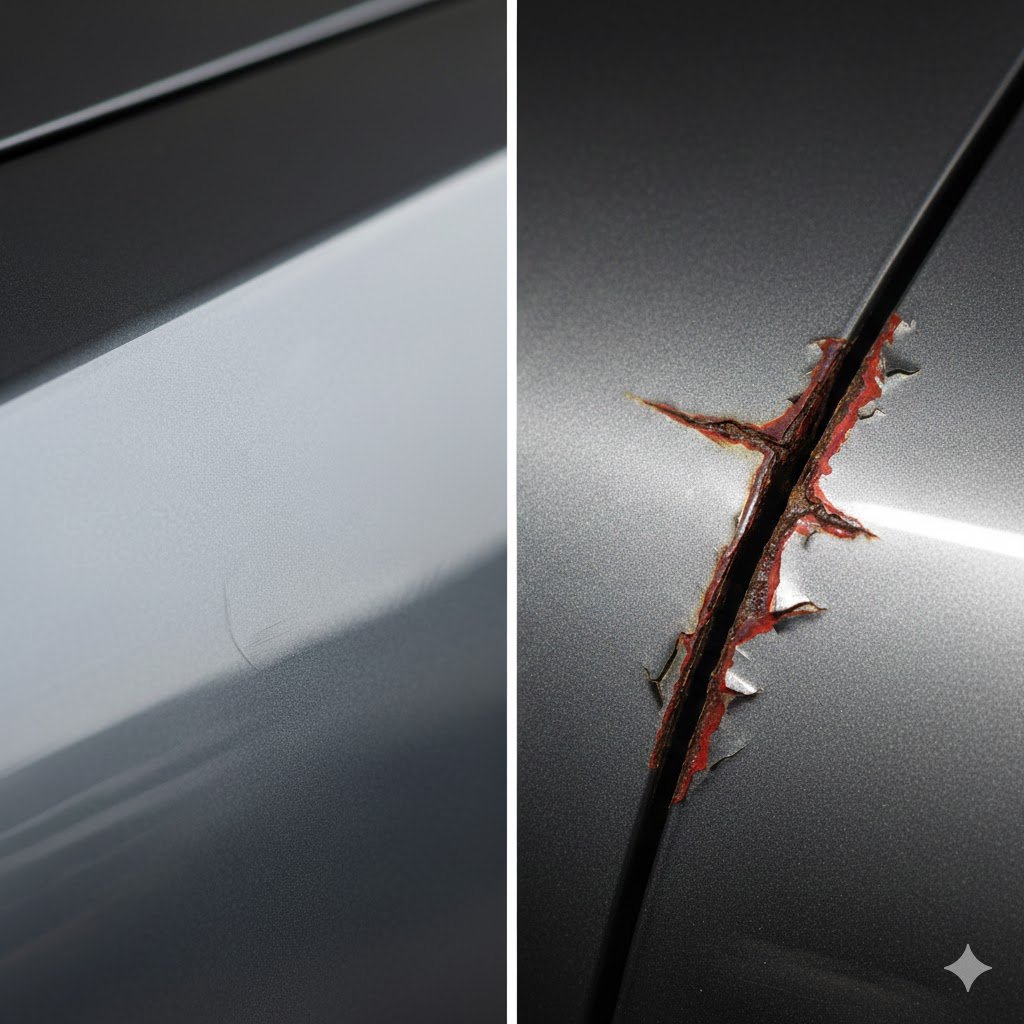
Cosmetic damage has a habit of spreading. A light scratch can:
- Deepen with repeated washing or contact
- Allow moisture and dirt to penetrate paint layers
- Lead to peeling or corrosion
Interior damage behaves similarly. A small tear or loose stitch can widen with daily use, turning a simple repair into a more complex restoration.
The Compounding Effect at Inspection Time
The real cost of delayed repairs often appears all at once. At resale, trade-in, or lease return:
- Multiple small issues are assessed together
- Repairs are priced conservatively
- Discounts are applied instead of selective fixes
What could have been handled gradually becomes a single, expensive reconditioning bill.
Dealers and Inspectors Don’t Repair — They Deduct
When vehicles are inspected, cosmetic issues are often not repaired individually. Instead:
- Dealers factor reconditioning costs into offers
- Leasing companies apply fixed deductions
- Buyers reduce offers to protect themselves
This means owners rarely pay just the repair cost — they pay for risk, inconvenience, and margin.
Interior Damage Is Especially Costly When Delayed
Interior issues are particularly prone to escalation. Examples include:
- Worn steering wheels becoming cracked
- Seat bolsters tearing further
- Trim scratches becoming permanent marks
Interior restoration often requires specialised work, and costs rise quickly once materials degrade.
Timing Matters More Than Perfection
The goal isn’t to fix every mark immediately. The key is recognising when damage:
- Is likely to worsen
- Is in a high-wear area
- Is becoming more visible
- Could affect future inspections
Addressing these issues early is usually faster, cheaper, and less disruptive.
Predictability vs Surprise Costs
One of the biggest frustrations for vehicle owners is surprise expenses. Cosmetic damage doesn’t usually create one large bill — it creates many small ones that eventually collide. Without a structured approach, costs tend to appear when it’s least convenient. Managing cosmetic damage over time helps spread costs and maintain control.
Final Thought
“I’ll fix it later” feels harmless — until later arrives. Cosmetic vehicle damage may not be urgent, but it is persistent. Left unchecked, it quietly erodes value and compounds repair costs. Staying ahead of minor issues isn’t about perfection. It’s about avoiding unnecessary expense and protecting the long-term condition of your vehicle.