The phrase “normal wear and tear” is used frequently in vehicle ownership, but rarely explained clearly. Many drivers only discover what it really means when selling a car, returning a lease, or facing unexpected repair costs.
Understanding the difference between acceptable wear and chargeable damage can help vehicle owners avoid unpleasant surprises and manage maintenance more effectively.
What Is Normal Wear and Tear?
Normal wear and tear refers to the gradual and unavoidable deterioration that occurs as a result of everyday vehicle use. This includes:
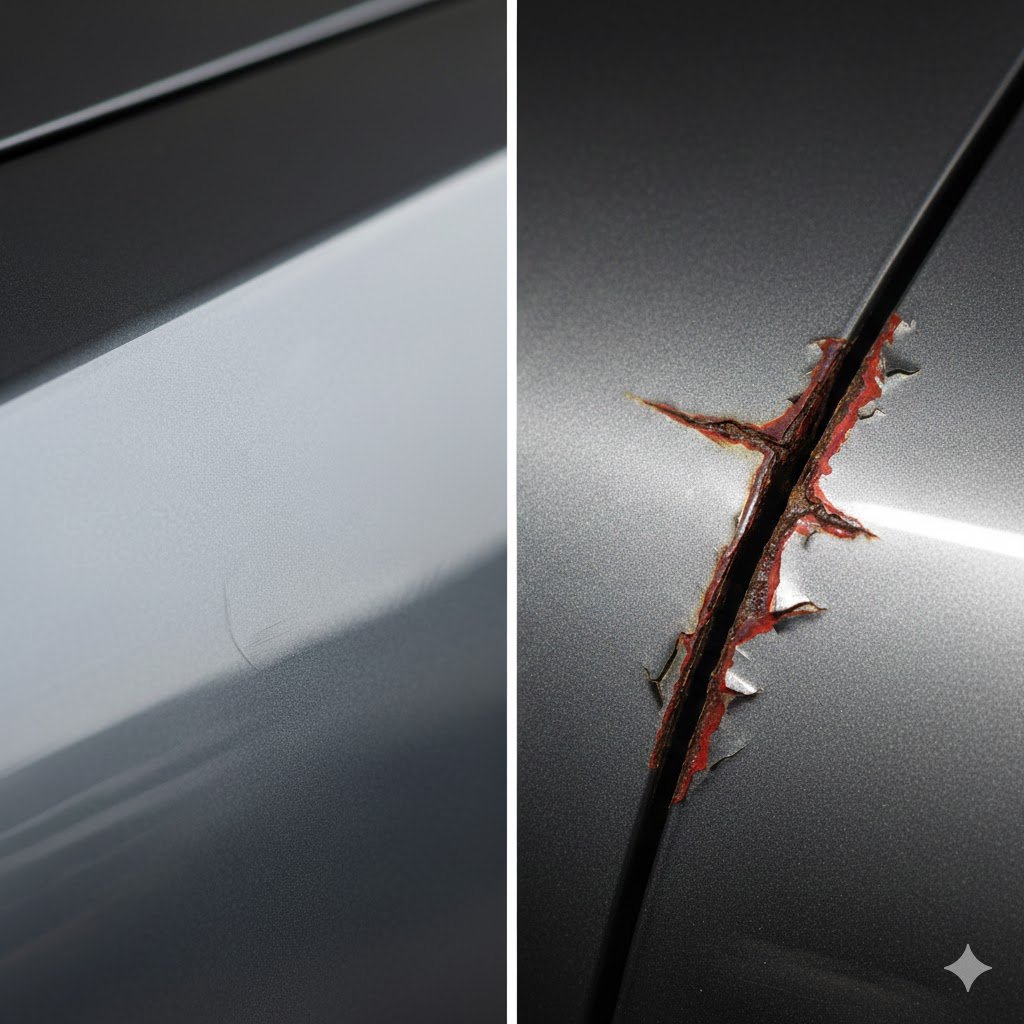
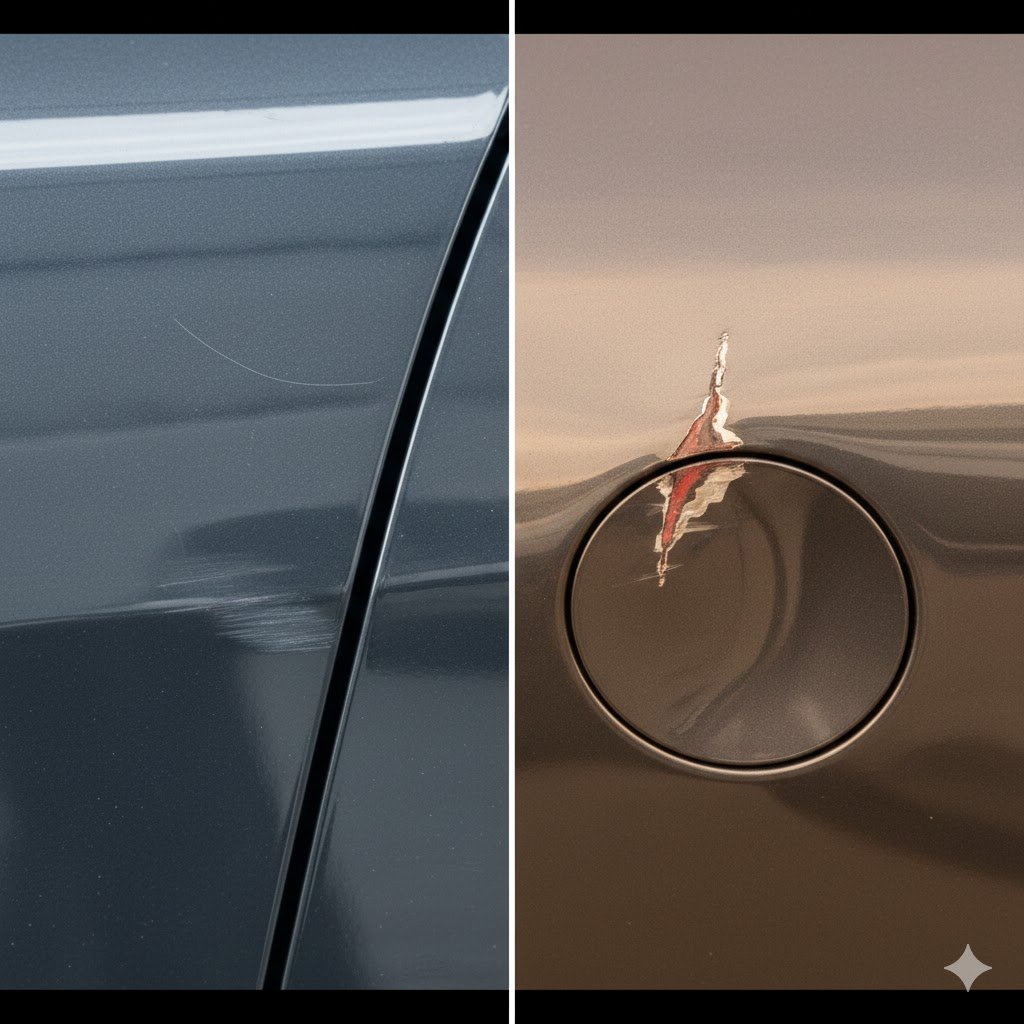
- Light surface marks on paintwork
- Minor interior fading from sunlight
- General ageing of materials over time
Wear and tear is expected and reflects normal usage rather than neglect or misuse.
When Wear and Tear Becomes Damage
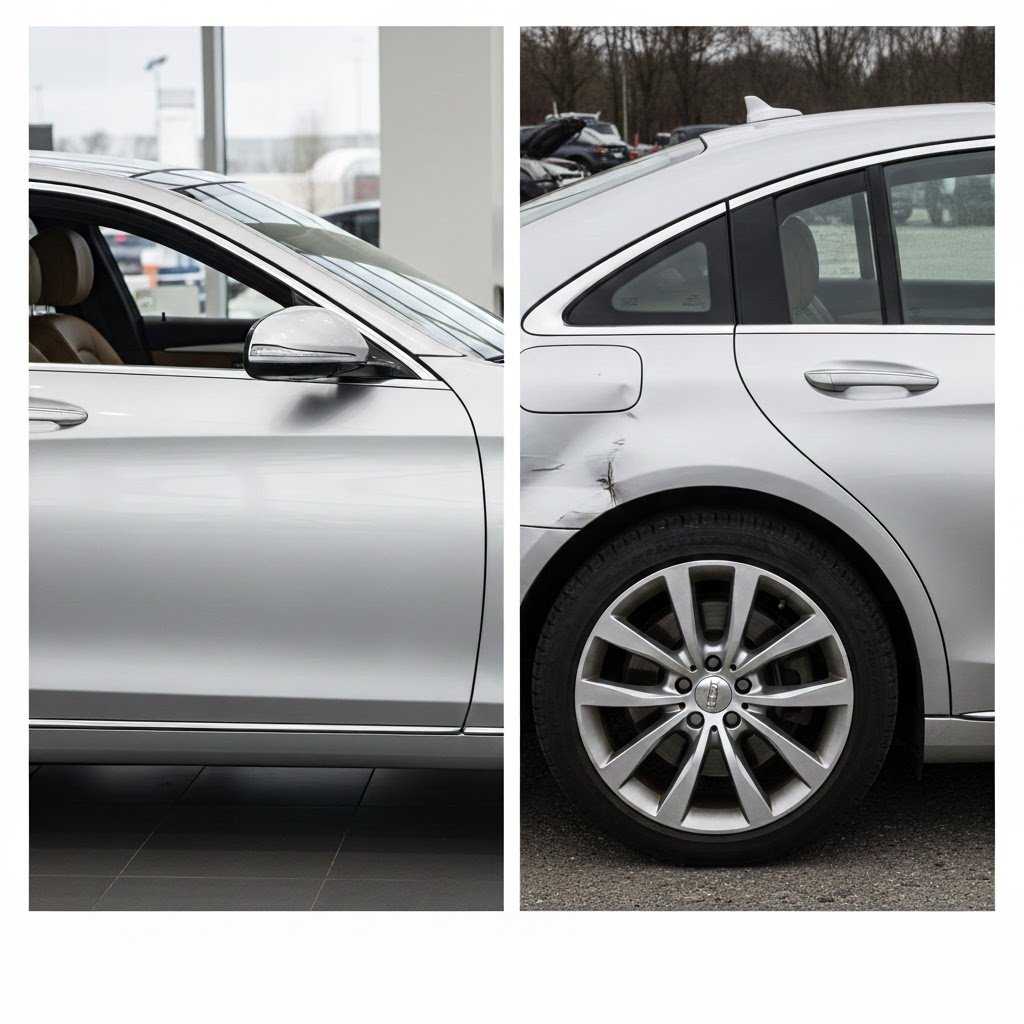
The challenge arises when wear moves beyond what is considered “normal.” Cosmetic issues are often classed as damage when they:
- Are clearly visible at a normal viewing distance
- Affect multiple areas of the vehicle
- Could have been prevented or repaired earlier
- Go beyond minor surface marks
Examples include deep scratches, noticeable dents, torn upholstery, or damaged wheels. While these issues may develop gradually, they are often treated as repairable damage rather than acceptable wear.
Why This Matters for Vehicle Owners
For private owners, the difference between wear and damage usually becomes relevant at resale or trade-in. For lease or finance customers, it can have immediate financial consequences. Vehicles returned with damage outside acceptable wear standards often attract repair charges or value deductions.
Because cosmetic damage is subjective, inspectors tend to err on the side of caution — and cost.
Interior Wear Is Often Underestimated
Interior wear is one of the most common areas where drivers misjudge what is acceptable. Steering wheels, seats, centre consoles, and trim panels experience constant contact. Over time, small scuffs and tears can quickly cross the line from wear into damage. Unlike mechanical components, interior materials are judged visually, making them more likely to trigger deductions.
Why Waiting Can Make Things Worse
One of the biggest mistakes vehicle owners make is assuming that cosmetic damage can be dealt with later. Minor issues that are ignored often:
- Spread or worsen
- Become more visible over time
- Require more extensive repairs
What starts as light wear can eventually be classified as damage simply because it was left unaddressed.
Managing Wear Before It Becomes a Problem
The key is not to eliminate wear completely — that’s unrealistic. Instead, proactive cosmetic maintenance helps:
- Keep damage within acceptable standards
- Control repair costs
- Maintain vehicle presentation over time
Addressing issues early often costs less and avoids end-of-ownership surprises.
Final Thought
Normal wear and tear is unavoidable, but unexpected damage charges are not. Understanding where the line is — and managing cosmetic issues before they cross it — is one of the most effective ways to protect your vehicle’s condition and value throughout ownership.