A vehicle’s interior is one of the most heavily used — and often most neglected — parts of car ownership. While exterior damage is easy to notice, interior wear develops quietly over time, often becoming obvious only when the vehicle is sold, traded in, or returned at the end of a lease.
Protecting your car’s interior isn’t about keeping it perfect. It’s about slowing wear, maintaining comfort, and avoiding costly repairs later.
Understand Where Interior Damage Comes From
Most interior damage doesn’t come from accidents. It comes from repetition. Common causes include:
- Frequent entry and exit
- Contact with clothing, bags, and keys
- Sun exposure
- Spilled drinks or food
- Everyday driving habits
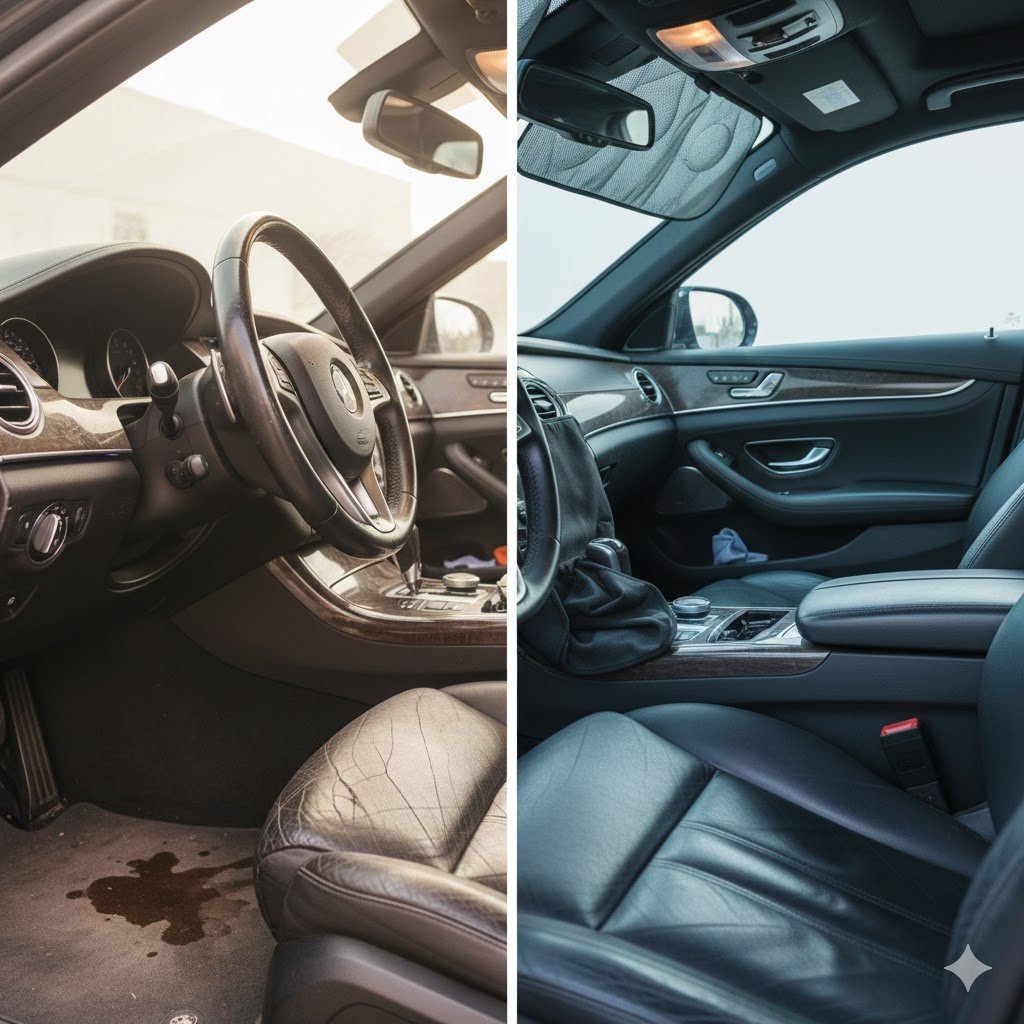
Areas like steering wheels, seat bolsters, centre consoles, and door panels absorb the most contact — and wear the fastest.
Protect High-Contact Areas First
Not all interior surfaces age at the same rate. Focus first on:
- Steering wheel: Constant hand contact causes fading, peeling, and shine
- Seat bolsters: Repeated sliding in and out leads to cracks and tears
- Centre console and armrests: Scratches and scuffs from keys and accessories
- Door panels: Marks from elbows, bags, and footwear
Simple awareness of these areas can significantly reduce damage.
Manage Sun and Heat Exposure
Sunlight is one of the biggest contributors to interior deterioration. Over time, UV exposure causes:
- Fading of fabrics and plastics
- Drying and cracking of leather
- Weakening of adhesives and stitching
Using sunshades, parking in shaded areas, and keeping windows slightly ventilated when safe can reduce long-term damage.
Keep the Interior Clean — Gently
Regular cleaning helps prevent dirt and oils from breaking down materials. Best practices include:
- Avoiding harsh chemicals
- Using products designed for automotive interiors
- Cleaning steering wheels and touch surfaces regularly
- Removing grit and debris from seats and carpets
Aggressive cleaning can be as damaging as neglect, especially on leather and soft-touch plastics.
Be Mindful of Everyday Habits
Small habits have a big impact over time. Examples:
- Avoid placing sharp or heavy objects on seats
- Use door pockets instead of resting items on trim
- Keep keys and accessories away from sensitive surfaces
- Secure loose items that may rub or slide
These changes require little effort but help preserve interior condition.
Don’t Ignore Minor Damage
One of the biggest mistakes drivers make is ignoring small interior issues. Minor scuffs, loose stitching, or small tears often:
- Spread with continued use
- Become more noticeable
- Require more extensive repairs later
Addressing issues early is usually simpler, faster, and more cost-effective.
Interior Condition Affects More Than Comfort
A worn interior doesn’t just affect how the car feels — it affects how it’s valued. Dealers, buyers, and inspectors view interior condition as a sign of overall care. A clean, well-maintained cabin can offset higher mileage, while a damaged interior often leads to immediate deductions.
Final Thought
Interior damage happens gradually, which makes it easy to overlook — until it’s expensive to fix. By paying attention to high-wear areas, managing exposure, and addressing small issues early, vehicle owners can significantly extend the life and appearance of their car’s interior. Protecting the inside of your vehicle is one of the simplest ways to protect its value.